


Quartz worktops are highly durable, resisting scratches, stains, and heat. This article examines how strong quartz worktops are and why they’re a top choice for busy kitchens.
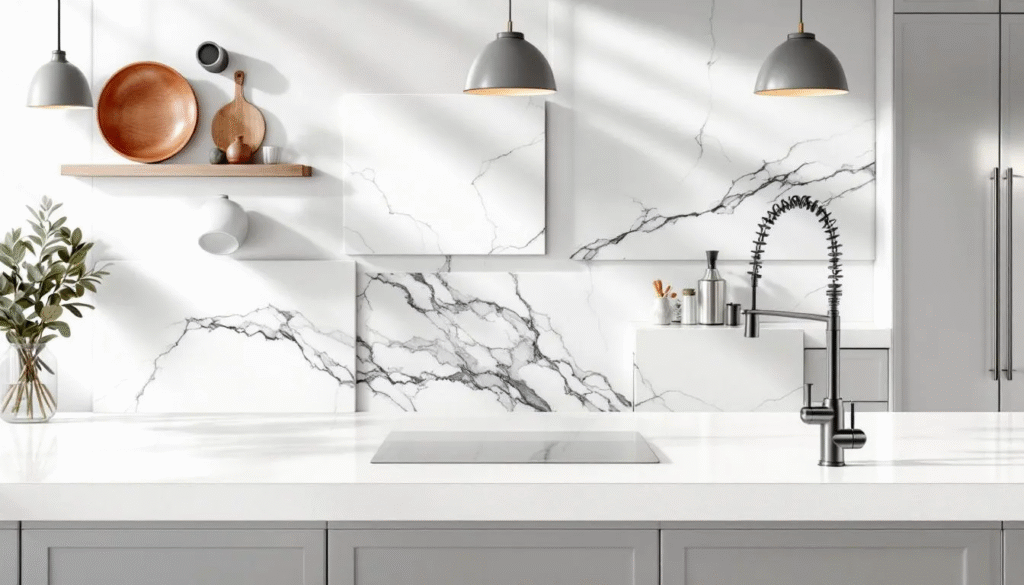
Quartz worktops are an engineered product made by combining natural quartz crystals with resins and polymers. Typically, these worktops consist of 90% to 95% natural quartz and other natural materials, which is a mineral that makes quartz known for its extreme hardness and durability.
The remaining 5% to 10% of the composition comprises resins and polymers that act as binding agents, enhancing the overall strength and resilience of the worktop.
The combination of natural quartz with resins results in a worktop that not only looks elegant but also boasts significant durability. The resins fill the gaps between the quartz crystals, creating a non-porous surface that is stain-resistant. Unlike natural stone surfaces, which may require regular sealing to maintain their resistance to moisture and bacteria, quartz worktops maintain their hygiene and appearance effortlessly.
Achieving the right balance between quartz and resin is crucial for the quality of the worktop. Too much resin can make the material less scratch-resistant and more prone to staining, while an excess of quartz can lead to brittleness. The precise manufacturing process ensures that each quartz worktop strikes the perfect balance, resulting in a product that is both robust and beautiful.
The manufacturing process of quartz worktops involves compacting the mixture of natural quartz and resins under extreme pressure, typically around 100 tonnes, and then curing the slabs in kilns. This process not only enhances the durability and strength of the material but also ensures a consistent and uniform appearance across the entire surface.
The compacting and curing steps are critical in providing quartz worktops with their renowned toughness and resistance to everyday wear and tear.
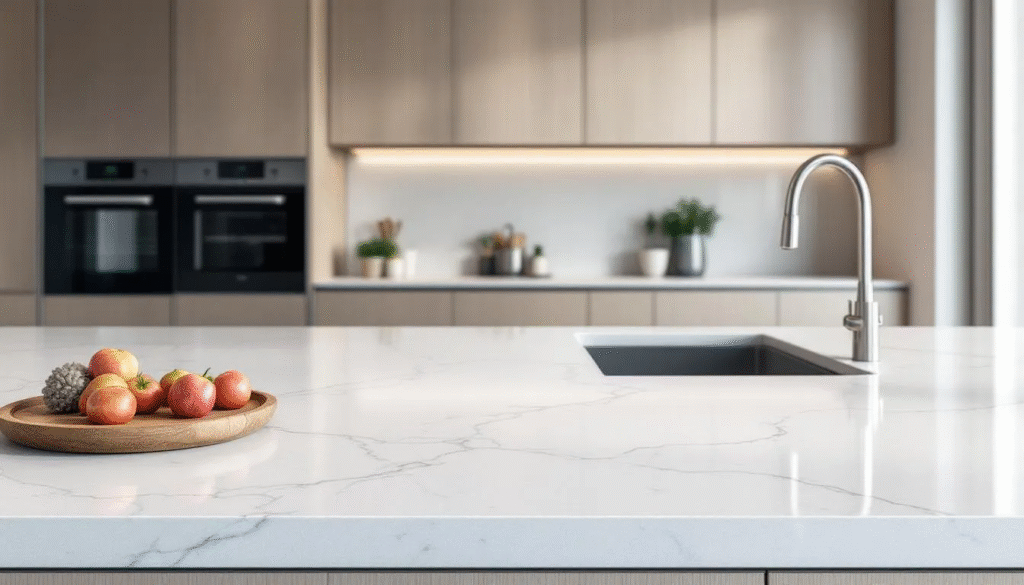
Quartz worktops are celebrated for their impressive durability, making them an excellent choice for any kitchen countertop. The combination of high pressure during manufacturing and the non-porous nature of the material contributes to their strength and resistance to stains. Additionally, a quartz countertop offers similar benefits, enhancing both functionality and aesthetics.
Additionally, quartz surfaces are designed to withstand the demands of a busy quartz kitchen environment, offering both practicality and elegance.
One of the standout features of quartz worktops is their ability to withstand daily wear and tear. Key characteristics include:
However, while quartz worktops are incredibly strong, they are not invincible. Dropping heavy items on the surface can still cause damage. Handle heavy cookware carefully to avoid chips or cracks. Despite this, the overall durability of quartz worktops makes them a popular choice for kitchens that see a lot of action.
Quartz worktops offer some heat resistance, which is beneficial in a kitchen setting. However, the resin fillers used in the manufacturing process are more susceptible to heat damage than the quartz itself. Prolonged exposure to high temperatures or sudden temperature changes can cause the resin to crack or discolour.
Using trivets or hot pads to place hot pots and pans helps maintain the integrity and appearance of quartz surfaces.
The non-porous nature of quartz worktops sets them apart from many other natural stone surfaces. The crushed quartz fills microscopic pores, preventing the absorption of liquids and making the surface highly stain-resistant. This feature not only enhances the durability of the worktop but also contributes to a more hygienic kitchen environment by reducing the potential for bacterial growth.
In contrast to materials like marble, which require regular sealing, quartz worktops offer ease of maintenance and long-term cleanliness.

When selecting a kitchen worktop material, it’s essential to consider the specific needs of your kitchen and how different materials compare. Quartz worktops offer several advantages over other popular options, such as granite, marble, and laminate.
Each of these materials and other materials has its unique strengths and weaknesses, making it crucial to understand how they stack up against quartz.
Quartz worktops are often favoured over granite for several reasons. Quartz is more rigid than granite. It has four times the flexural strength and double the impact resistance. This means that quartz worktops are less likely to crack or chip under pressure.
Additionally, quartz offers a consistent design, free from the natural imperfections often found in granite. This uniformity can be particularly appealing for those seeking a sleek and modern kitchen aesthetic.
While marble is renowned for its luxurious appearance, it falls short compared to quartz in terms of durability and maintenance. Marble is:
Quartz, on the other hand, offers greater durability and a non-porous surface that simplifies maintenance and enhances its suitability for kitchen environments.
Laminate worktops and quartz countertops differ in several ways:
Additionally, quartz offers a wider range of design options that can mimic the appearance of high-end natural stones, providing a more luxurious look at a competitive price. For those looking to invest in a long-lasting and stylish kitchen surface, quartz is the superior choice.

Maintaining the pristine appearance of quartz worktops requires some simple yet effective care practices. While quartz is known for its durability and low maintenance, taking a few precautions can ensure that your worktops remain beautiful and functional for years to come.
One of the most critical aspects of maintaining quartz worktops is protecting them from heat damage. To prevent such damage:
Visible signs of heat damage include white spots and surface cloudiness. By following these simple precautions, you can maintain the appearance and functionality of your quartz worktops, ensuring they continue to enhance your kitchen for years to come.
Using cutting boards while preparing food protects quartz worktops from scratches. While quartz is highly scratch-resistant, cutting directly on the surface can still cause damage over time.
Avoid using the worktop as a surface for heavy tools or standing, as this can also lead to scratches or cracks. By designating specific areas for cutting and heavy objects, you can prolong the life and beauty of your quartz worktops.
Regular cleaning and maintenance are key to preserving the appearance of quartz worktops. Daily cleaning with warm water and mild soap helps retain their shine and prevents damage. A soft cloth or a damp cloth should be used to avoid scratching the surface.
Quartz does not require sealing, reducing long-term maintenance costs and effort. Simple cleaning habits help prevent staining and keep your quartz worktops stunning and durable for years.

Despite their many advantages, some common significant concern often arises about quartz worktops. Addressing these concerns can help potential buyers make informed decisions and maximize the benefits of their investment.
Quartz worktops are generally resilient and can withstand daily use without issue. However, they can occasionally chip if subjected to significant impact. Handle heavy objects with care and avoid dropping them on the surface.
Minor damages can often be repaired with gentle techniques, restoring the worktop to its original state without needing a replacement.
Quartz worktops are designed to be durable and can withstand considerable impact. However, placing heavy objects near the edges can increase the risk of damage. Using mats or protective coasters under heavy items can help safeguard the surface.
Following best practices maintains the strength and appearance of quartz worktops, ensuring their longevity.
Investing in quartz worktops is not just about immediate functionality and aesthetics; it’s also a smart investment for the long term. Proper care and maintenance can make quartz worktops last a lifetime, offering significant returns on investment.
Their minimal maintenance needs and long lifespan make them a practical choice for homeowners who want a highly durable and elegant heat-resistant kitchen surface that provides a hygienic surface and stands the test of time, ensuring long-term durability.
One of the most compelling reasons to choose quartz worktops is their longevity. Many manufacturers offer warranties that can last from a decade to a lifetime, reflecting the confidence in their product’s durability. This long lifespan, coupled with low maintenance requirements, ensures that quartz worktops remain a valuable part of your kitchen for many years, providing both beauty and functionality.
Quartz worktops can significantly enhance the appeal and resale potential of your property. Many homeowners and potential buyers are drawn to modern kitchens featuring high-quality materials like quartz. By investing in quartz worktops, you not only enjoy their immediate benefits but also increase your home’s overall value, making it a more attractive option in the real estate market.
In conclusion, quartz worktops offer an exceptional combination of durability, beauty, and low maintenance, making them an ideal choice for any kitchen. Their composition of natural quartz and resins, coupled with a meticulous manufacturing process, ensures that they can withstand daily wear and tear, resist heat and stains, and maintain a hygienic surface. Compared to other materials like granite, marble, and laminate, quartz stands out for its superior strength and consistency.
Preventing damage through proper care, such as using trivets for hot cookware and cutting boards for food preparation, further extends the lifespan of these worktops. Addressing common concerns, such as potential chipping and the impact of heavy objects, highlights the resilience of quartz. Ultimately, the long-term investment benefits, including durability, minimal maintenance, and enhanced property value, make quartz worktops a smart choice for any homeowner.
Quartz worktops are highly durable and can effectively resist scratches and heat, making them one of the strongest options available. Their impressive longevity further enhances their appeal for daily use.
Quartz worktops do not require regular sealing due to their non-porous surface, ensuring they remain low-maintenance.
Quartz worktops can endure moderate heat but should always be protected with trivets or hot pads to avoid potential heat damage from hot cookware.
Quartz worktops are not particularly prone to chipping under normal use, but they can chip if exposed to significant impact. It is reassuring to know that minor damages are often repairable.
Quartz worktops are more durable and have a consistent appearance, making them superior to granite and marble, which are more susceptible to chipping, scratching, and staining. This makes quartz a practical choice for high-use areas.


